

Dorset is a county that punishes a badly chosen car. Narrow hedge-lined lanes leave their mark on wide bodywork, coastal air finds every untreated stone chip, and a winter run along the A35 in the dark is not the moment to discover your headlights are mediocre. Then there is the money. A car that suits your mileage and your parking will cost you less over three years than one that merely looked good on the forecourt.
So the question is not whether new, used or leased is best. It is which of the three fits the way you actually use a car: the school run in Wimborne, the commute into Bournemouth, the trailer in Weymouth, the tip run to Blandford. Answer that honestly and the decision usually makes itself.
Start With Your Real Mileage and Parking
Before you compare a single deal, write down five things. Not rough guesses, actual numbers.
- Annual mileage — check your last MOT certificates or service invoices rather than estimating.
- Where it sleeps — garage, driveway, or on-street parking on a sloping road with tight kerbs.
- What it carries — dogs, bikes, surfboards, child seats, tools, a caravan.
- How long you keep cars — three years, or until the wheels are square.
- Cash position — a deposit saved, or nothing to put down.
Those answers eliminate options fast. Do 15,000 miles a year and most lease deals become expensive at handback. Park on a cramped street in Poole with no driveway and a leased car's condition report is a risk you are voluntarily taking on. Keep cars for a decade and leasing rarely adds up, however tidy the monthly figure looks.
Buying New: Warranty, Choice and the Depreciation Bill
New means you choose the colour, the trim, the tow bar, the heated seats. You get the full warranty, the latest driver assistance systems and no history to worry about. If you plan to keep the car eight or ten years, that is genuinely good value — you are buying the reliable middle of its life, not the tail end.
The cost is depreciation, and it lands hardest early. A new car sheds the largest slice of its value in the first couple of years, before the warranty has expired. Sell at three years and you have absorbed nearly all of it. Keep it and the curve flattens, which is when new starts to look sensible again.
One Dorset detail: if the car lives outside near the coast, plan on washing underneath and around the wheel arches regularly, and treating stone chips promptly. Salt air and winter grit are patient things.
Buying Used: Where the Value Usually Sits
For many buyers the sweet spot is a car three to five years old, with the steepest depreciation already paid by someone else and plenty of life left. You lose the new-car smell and gain a much lower cost per year of ownership.
Check the paperwork before the paintwork. A full service history, two keys, and an MOT history you can look up online tell you more than a valeted interior. Then get underneath, or pay someone to. Look for corrosion around the wheel arches, sills and boot floor — coastal cars suffer more than inland ones. Press the carpets for damp, and on a convertible, inspect the roof and the boot for water before you fall for it.
Drive it on the roads you use: a rutted lane, a fast A-road, a tight multi-storey. Listen for rattles over broken surfaces and feel for pulling under braking. Buying from a dealer gives you stronger consumer rights; buying privately is cheaper but the risk is yours. On anything expensive, an independent pre-purchase inspection is money well spent.
Leasing: Predictable Costs, Limited Wiggle Room
Leasing is renting a new car for a fixed term, usually two to four years, with an agreed mileage cap. You pay an initial payment and a monthly amount, hand the car back and walk away. There is no resale hassle and no depreciation risk, and the monthly is often lower than a comparable finance plan because you are paying for use, not ownership.
Read the terms properly. The important lines are the excess mileage rate, the definition of fair wear and tear, whether servicing and tyres are included, and what it costs to end early. Photograph the car when you collect it and again before you hand it back. Kerbed alloys and supermarket car park dents are common charges, and in busy Bournemouth or Poole car parks they are easy to pick up.
Leasing suits someone with steady, predictable mileage who wants a new car every few years and does not care about owning it. It suits less well if you tow, cover high miles, drive farm tracks, or expect your circumstances to change — a new job, a new baby, a move further from work.
Compare the Whole Cost, Not the Monthly Payment
This is where most decisions go wrong. A tidy monthly figure hides everything that actually costs you money.
- Deposit and any arrangement fees.
- Monthly payment multiplied by the full term.
- Insurance — get a quote on the specific model before you commit, not after.
- Vehicle tax and any premium supplement.
- Servicing, tyres and brakes across the period you will keep it.
- Fuel or charging at your real mileage, not the brochure figure.
- MOT from year three onwards.
- End-of-term costs: excess mileage, wear charges, or the resale value if you own it.
Add it up over three years and divide by the miles you actually drive. That number is the only fair comparison. If credit is involved, ask for the total amount payable rather than the monthly, and consider speaking to a regulated financial adviser — they can explain fees and commission, and it is your money at stake.
Dorset Conditions Worth Planning For
Rural driving. Potholes, mud and standing water argue for sensible wheels, decent ground clearance and all-season tyres. Low-profile tyres on 19-inch rims look superb until the third replacement in two years.
Coastal living. Salt air corrodes brake lines and suspension components on older cars faster than most owners expect. Regular washing underneath genuinely extends a car's life here.
Town use. Tight car parks and narrow streets mean dents and kerb damage. If you lease, that is a bill at the end. If you buy, it is a hit at resale. Either way, a smaller car is easier to live with.
Winter. Dark lanes, grit and early sunsets make good headlights, a heated windscreen and reliable demisting worth more than a bigger engine.
Before You Sign Anything
Test drive on your own roads, not a smooth loop around the dealership. Get an insurance quote on the exact model and trim. Ask for the total cost, not the monthly. Budget for tyres and servicing as part of the decision rather than a nasty surprise later. And if you are financing or leasing, take regulated financial advice before committing to anything long-term.
Then buy the car you can afford to run, not just the one you can afford to acquire. Dorset is worth driving. A car that fits your week — the lanes, the coast, the school gate, the long haul to see family — will quietly earn its keep for years.
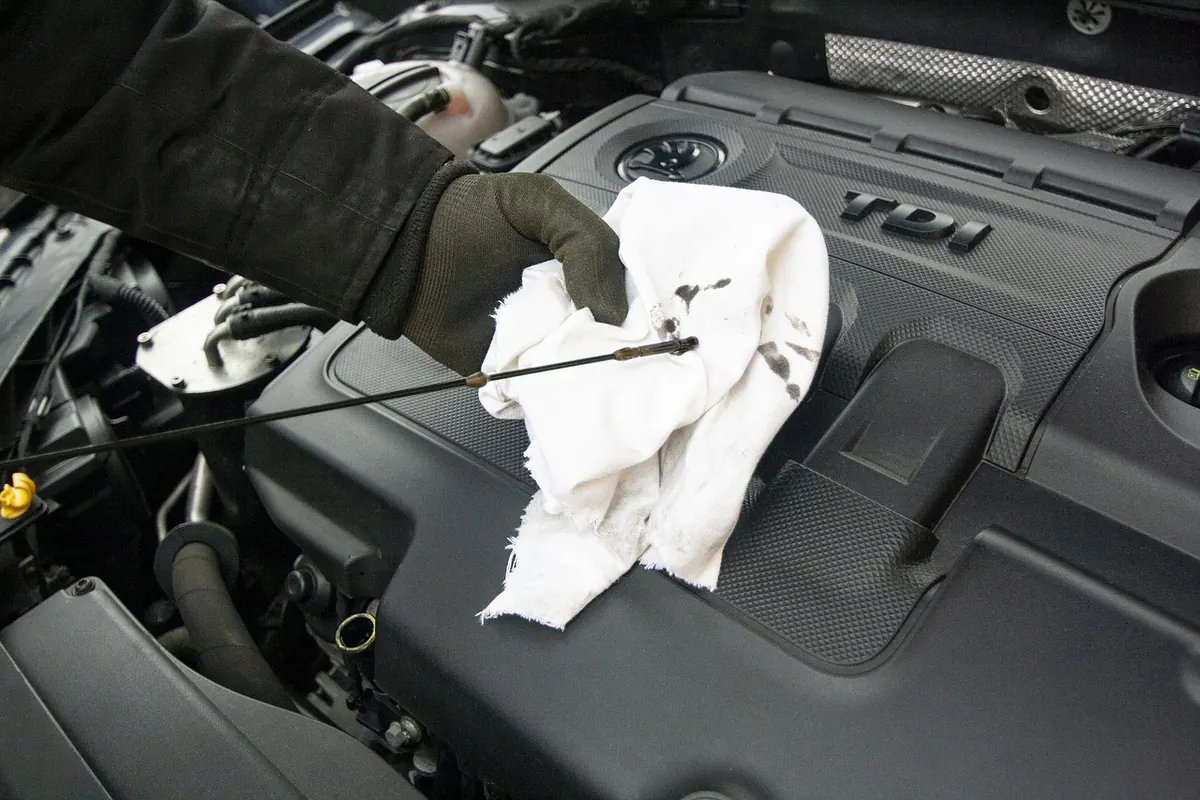
Photo: 99mimimi / Pixabay