
Dorset is a lovely place to drive, from the winding lanes of the Purbeck Hills to the coastal roads around Weymouth. But the county's salty air and damp winters can be tough on cars, so a used car that looks tidy might hide rust or electrical gremlins. Whether you're after a rugged estate for the farm or a small hatchback for Poole, a careful inspection saves you money and heartache. This 12-step checklist walks you through what to check, in order, before you hand over any cash.
Before You Leave Home
A good inspection starts before you see the car. Ask the seller for the registration number and VIN, then do your homework. Check the MOT history online—it shows advisories and failures, which often hint at ongoing issues. Ask for the service history and any receipts. If the car is near the coast, pay extra attention to rust.
- Verify the paperwork. The V5C (logbook) should be in the seller's name and address. Check the VIN on the document matches the car. Look for a full service history, MOT certificates, and receipts for recent work.
- Ask about the car's life. How long has the seller owned it? Why are they selling? Has it been used for towing, commuting, or sitting idle? A car that's done short trips in town may have a clogged DPF or weak battery.
- Pack a kit. Take a torch, a magnet (to check for filler on steel panels), a tyre tread gauge, a cloth, and a friend. Daylight and dry weather are your allies. If you can, arrange to see the car at the seller's home, not a car park.
The Exterior Walkaround
Start with a slow circuit of the car. Look along the panels from different angles—reflections reveal dents and ripples. Dorset's coastal air can accelerate corrosion, so be thorough.
- Check for rust and accident damage. Inspect wheel arches, sills, door bottoms, boot floor, and around the windscreen. A magnet will stick to steel but not to filler. Look for overspray on rubber seals and mismatched paint.
- Examine tyres and wheels. Tread depth should be well above the legal minimum (1.6mm in the UK). Uneven wear suggests alignment or suspension problems. Check the spare wheel and jack.
- Test lights, glass, and trim. Look for chips and cracks in the windscreen, especially in the driver's line of sight. Check that all lights work, including indicators, brake lights, and reversing lights. Wipers should clear the screen without smearing.
Inside the Cabin
Open the doors and take a seat. Dampness is common in Dorset, so smell for mildew and check for water stains.
- Inspect seats and trim. Worn bolsters, sagging headlining, and cracked dashboards are common. Pull up mats and check for damp carpets—a sign of leaks.
- Test every switch and button. Windows, mirrors, radio, air conditioning, heating, demisters, and central locking. Air con should blow cold within a minute or two. If it doesn't, it may need a regas or repairs.
- Check the dashboard and warning lights. Turn the ignition on (but don't start the engine) and ensure all warning lights illuminate, then go out after a few seconds. If a light never comes on, the bulb may have been removed to hide a fault. Note the mileage and compare it with the MOT history.
Under the Bonnet
A quick look under the bonnet can reveal a lot about maintenance. Do this when the engine is cold.
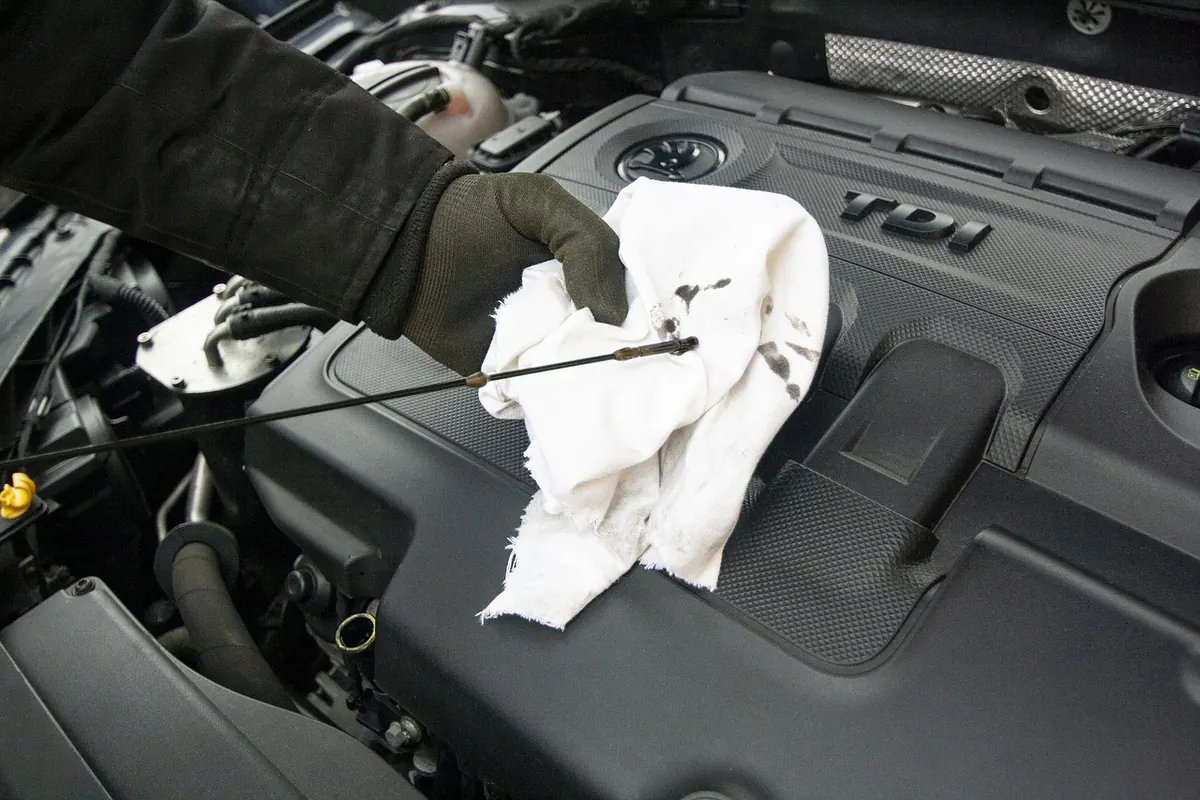
- Check fluids and leaks. Oil should be golden-brown, not black and gritty. Coolant should be clean and at the right level. Brake fluid should be clear. Look for leaks, cracked belts, and perished hoses. Check the battery terminals for corrosion.
- Look for signs of neglect or repair. A clean engine bay can hide leaks, but a filthy one suggests neglect. Check the VIN plate matches the logbook. Look for new bolts or overspray, which might indicate accident repair.
The Test Drive
This is the most important step. A car can look perfect but drive badly. Aim for at least 20 minutes on a mix of roads—town, A-roads, and a faster stretch if possible.
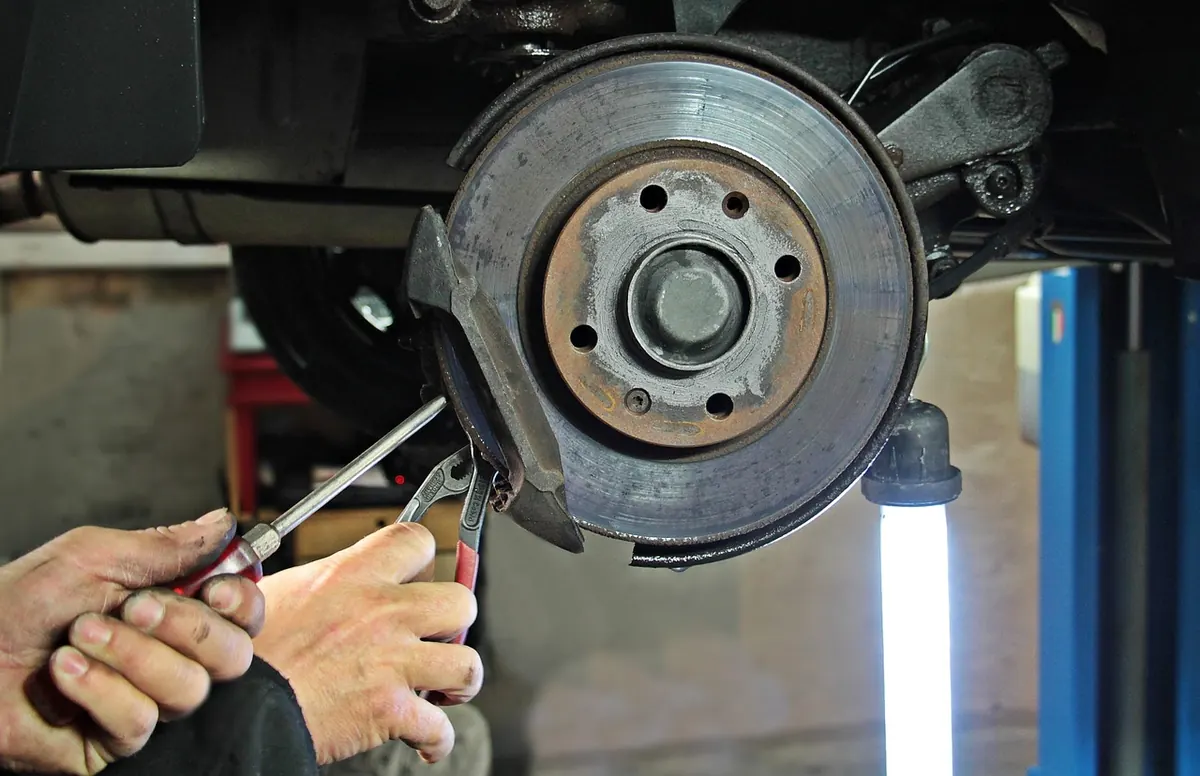
Step 12: Take a thorough test drive. Start the engine from cold and listen for rattles or knocking. Check for excessive smoke from the exhaust. On the move, test the clutch (if manual) and gearbox—changes should be smooth. Brakes should pull up straight without vibration. Steering should feel precise, not vague. Find a bumpy road to test the suspension; clunks suggest worn bushes or drop links. After the drive, park on clean tarmac and check for fresh leaks.
- Does the car track straight on a flat road?
- Do the gears engage without crunching?
- Does the temperature gauge stay steady?
- Are there any warning lights on while driving?
- Does the heater blow hot and the air con blow cold?
After the Drive: Paperwork and Decision
Once you're back, do a final check of the paperwork. A vehicle history check (HPI or similar) can reveal outstanding finance, theft, or write-off markers. Ask for the V5C, MOT certificate, and service records. If the seller is reluctant to provide these, walk away.
- V5C logbook in the seller's name
- MOT certificate and any advisories
- Service history with stamped book or invoices
- Receipts for recent repairs or parts
- VIN on the car matches the V5C
If everything checks out, negotiate. Use any faults you found as leverage. Be prepared to walk away—there are plenty of used cars in Dorset. If you're spending a significant amount, consider paying for a professional pre-purchase inspection. It's a small cost compared to a major repair.
A Final Word
Buying a used car in Dorset doesn't have to be stressful. Take your time, use this checklist, and trust your instincts. If something feels wrong, it probably is. A well-inspected car will serve you well on those coastal drives and country lanes. And remember, for legal or financial advice, speak to a qualified professional.
Photo: NoName_13 / Pixabay