
A restoration usually starts with a feeling rather than a spreadsheet. You see a car you remember from childhood, or a shape you simply cannot walk past, and the advert says "solid project, easy fix". Then the evenings in the garage begin. Projects rarely stall because the owner lacks talent. They stall because of a few decisions made in the first few weeks — decisions that are far easier to get right than to undo.
Buying the Project With Your Eyes Open
Two examples of the same model can be wildly different projects, and the cheaper car is usually the more expensive one once the panels come off. Go and look in daylight, in dry weather, and never in the rain with the seller holding an umbrella over the rear arches.
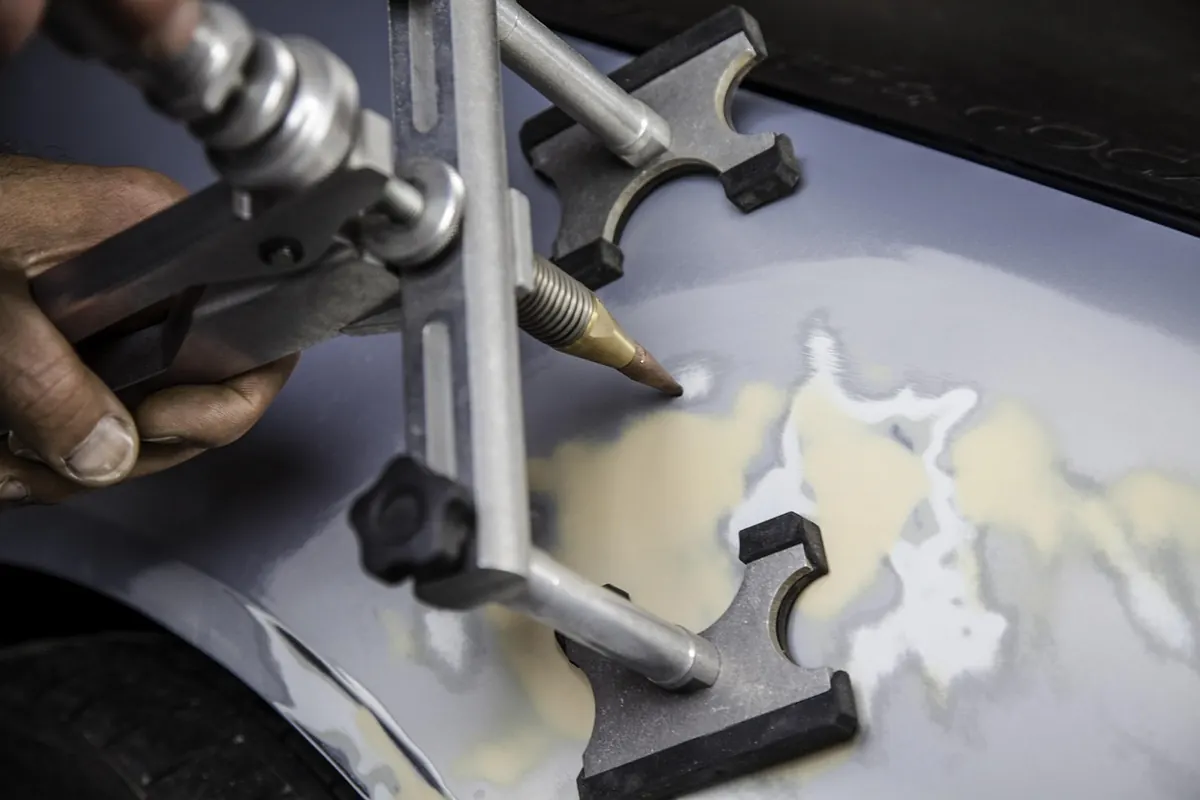
Press hard on sills, floor pans, jacking points, subframe mounts, boot floors, battery trays and inner wings. Tap along panels with your knuckles and run a small magnet over steel bodywork: it will not stick to filler. That trick tells you nothing on aluminium or glassfibre cars, so ask what the body is made of before you trust it.
Ask the owner's club about parts availability before you hand over any money. A model with no reproduction panels turns a weekend repair into a fabrication job. Mechanical parts can generally be rebuilt or sourced; a rotten shell cannot. Buy the best structure you can afford.
Stripping a Car Without Losing Its History
The single most useful tool in a restoration is a camera. Before you remove anything, photograph it — the whole assembly, then each connection, then each fixing. Keep the same angles as you work back towards a bare shell, and print a few key shots to pin on the garage wall.
- Take photographs before every removal, and again after.
- Bag and label fasteners by assembly, noting left, right, front and rear.
- Keep old parts until the replacements are fitted and proven to work.
- Write notes on anything you will not remember in six months, because you will not.
Pattern parts vary in quality and fit, so an old seal, bracket or trim clip is a useful template long after it looks like scrap. Wiring looms deserve particular care: label every connector, or photograph the loom laid out flat. If the original is brittle and replacements are available, a new loom is money well spent.
Underestimating Rust and Structural Repairs
What you can see is a fraction of what is there. Rust works from the inside out, so a small bubble on a sill often means a new inner sill, a repair section and a respray. Budget for the repair you cannot yet see, and treat any surprise in the structure as the rule rather than the exception.
Structural welding is not the place to learn the craft on a car you intend to drive. If you do not have the equipment, the space and the practice, pay someone who does, and be prepared for the bill to grow once the outer panels are removed. If you are unsure about what is required for your car's roadworthiness or registration, take proper advice from the relevant authority before you commit.
Cars kept near the coast live in salty, damp air, and a humid garage does its own quiet damage. Bare steel flash-rusts within days. Keep freshly stripped panels primed or oiled, use a dehumidifier if you can, and resist the temptation to cover a damp shell with a plastic sheet that simply traps moisture against the metal.
Budget Drift and the "While I'm In There" Trap
Every restoration has a moment where a straightforward job becomes a full rebuild. Sometimes that is correct. Often it is simply scope creep. Decide early whether you want a usable driver or a concours car, because the two projects have almost nothing in common once you start spending.
The money tends to leak out in the same places:
- Chrome and brightwork, which often costs more to restore than to replace.
- Rubber seals, hoses, bushes and trim clips — small items, big totals.
- Machine shop work discovered only after the engine is stripped.
- Paint, which rises sharply once the bodyshop sees what is under the old finish.
- Tools and consumables bought for one job and used once.
Set a budget, add a serious contingency on top, and track what you actually spend. Borrow or hire specialist tools rather than buying them. Get quotes in writing where you can, and expect them to move once hidden work appears.
Losing Momentum by Dismantling Everything at Once
A car taken apart in a single weekend can sit as a bare shell for years, and a bare shell is a demoralising thing to walk past every morning. Work in systems instead. Rebuild the brakes, then the suspension, then the cooling system, so each session ends with something finished and bolted back on.
Order matters. Structure and mechanical work come before paint, not after, unless you enjoy welding next to fresh panels and paying for a second respray. Keep a short list of the next three jobs visible in the garage. And resist starting a second project — two unfinished cars take longer than one, not half as long each.
Chasing Perfection and Forgetting the Point
Originality and correct details protect value, and it is worth recording what you find as you go: part numbers, paint codes, photographs, receipts. Keep a folder. Insurers and buyers both like paperwork, and if you need agreed-value cover during or after the rebuild, speak to your insurer directly about what they require.
Beyond that, be honest about the goal. An over-restored car that never leaves the garage is a poorer outcome than a slightly imperfect one that gets used. There is no prize for the most expensive restoration — only for the one that ends with you driving it.
The Short Version: Plan First, Drive Later
Before you turn a single spanner, buy the workshop manual and parts catalogue for your exact model, join the owner's club, and check what is available off the shelf. Inspect any project properly, and walk away from rot you cannot afford to fix. Photograph and label everything as it comes apart. Do the structural work first, keep bare metal protected, and hold a contingency in reserve.
Then set a realistic finish line, work in steady stages, and accept that a good restoration takes longer than you hoped. The cars that get finished are not the ones with the biggest budgets. They are the ones whose owners planned the work, kept the momentum, and remembered that the point of the whole exercise is a car you can drive.
Photo: geraldoswald62 / Pixabay