
There's a particular silence in an auction hall just before the hammer drops, and a particular feeling afterwards when you realise the car is yours. Buying a classic at auction can be one of the most satisfying ways to find a car — the choice is wider than any forecourt, and the prices are decided in the open. It can also be a fast route to an expensive mistake. The difference is almost always preparation.
The paperwork matters more than the paint
Before you fall for a shiny wing, establish what is actually being sold. Ask to see the V5C and check the name on it matches the vendor, the chassis number stamped on the car, and the engine number where one is listed. A logbook in someone else's name is not automatically a problem, but it needs a clear explanation.
Look for the car's history file. Old MOT certificates, invoices for work, restoration photographs, the handbook and a stamped service book all add confidence and value. A car with no paperwork isn't necessarily bad, but you are buying on condition alone, and you should price it that way. Before bidding, run a finance and stolen-vehicle check against the registration and VIN — outstanding finance can follow the car, not the seller.
On tax and testing: vehicles built more than 40 years ago can often be registered in the historic tax class and may be exempt from the annual MOT if they haven't been substantially changed. The rules have conditions attached, so check the current DVLA guidance or speak to the auction house before you assume anything. If money or legal ownership is unclear, take proper advice rather than a stranger's opinion in the queue for the loo.
Do your homework before the day
Catalogues are usually online a week or two ahead. Read the descriptions carefully, note the lot numbers you care about, and pay attention to the wording — "requires recommissioning" and "fully restored" are very different promises.
Owners' clubs are the best free resource in the hobby. A club forum will tell you the specific rust traps, the parts that are unobtainable, and what a realistic project costs. Compare recent sold prices rather than asking prices, which are often optimistic.
Then work out your true limit before you leave the house:
- Hammer price you're prepared to pay
- Buyer's premium, usually a percentage on top
- VAT, which may apply to the premium and sometimes the hammer price
- Transport, insurance and any immediate repairs
Write that final number on your catalogue in pen. It is the single most useful thing you will take with you.
Viewing day: look hard, touch everything
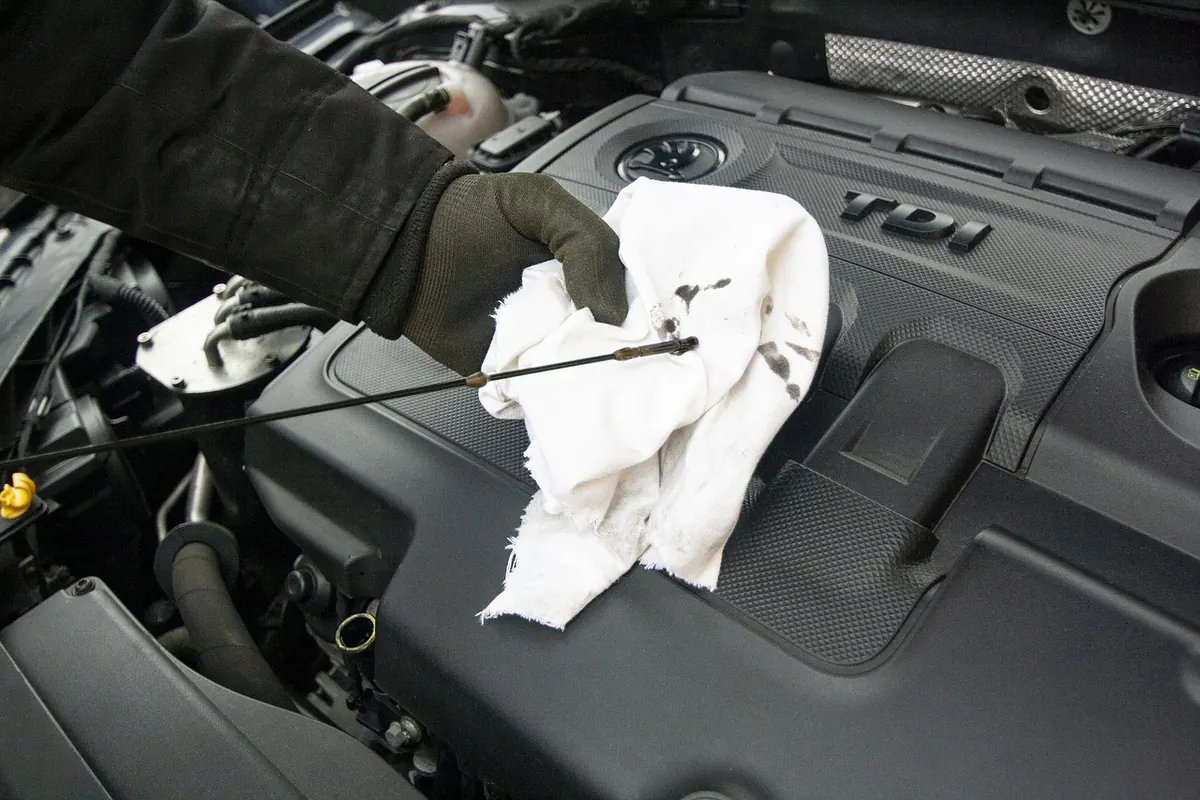
Arrive early and view in daylight if you can. Take a torch, a rag, a magnet in a soft cloth for checking filler on steel panels, and someone who knows the model. A cold engine is better than a warm one, because you can hear it start from cold — ask a marshal before touching anything, and never start a car without permission.
Walk around the car twice. Check panel gaps and shut lines, look for overspray on rubber seals and glass, and feel along sills, jacking points, wheel arches, the boot floor and the base of the bulkhead. Kneel down and look underneath for fresh fluid drips and heavy underseal hiding repairs. Compare interior wear — pedal rubbers, seat bolsters, gear knob — against the recorded mileage.
Photograph everything, including the bad bits. Auction staff are usually busy and often can't answer detailed history questions, so don't rely on a chat to fill gaps. Remember that viewing is not a test drive; assume nothing electrical, mechanical or hydraulic works until you've proved otherwise.
Bidding without losing your head
Auction rooms are designed to create momentum, and it works. Your written limit is your defence. Bid clearly and decisively — a nod or a raised hand — and don't get drawn into a war with one other bidder out of pride.
Understand the mechanics before you bid. Know the increments, know whether the auctioneer is taking bids off the wall, and listen for phrases like "provisional" or "subject to vendor's approval", which mean the car hasn't actually sold at that figure. If you can't attend, commission, telephone and online bidding are all common, but online platforms often charge a different premium. Read the terms.
If a car turns out to be rougher than the photographs suggested, let it go. There is always another one.
Paying: know the extras before the hammer falls
You will normally register to bid in advance with photo ID, proof of address and sometimes a deposit. After the sale, payment is typically due within a day or two by bank transfer, and the balance is the hammer price plus premium plus any VAT. Some auction houses will not release a car until funds have cleared. Storage charges often begin within a few days, so diarise collection straight away.
Ask what guarantee, if any, comes with the lot. Some sales offer limited assurances on certain categories of vehicle; many are strictly sold as seen. Consumer protection varies depending on whether the seller is a trader or a private individual, so if the sums involved are significant, get proper legal advice.
Getting it home to Dorset
A car bought at auction is rarely ready to be driven away. It may have no current MOT, no tax and no insurance, and driving it home without all three is not an option. Your realistic choices are a trailer, a hired transporter, or a professional vehicle movement firm — and if you plan to drive it, insure it and tax it first.
Our local roads add their own complications. Narrow hedge-lined lanes, steep farm access tracks and low branches are unforgiving to a low-slung car, and salt air near the coast means anything left outside will suffer. Take straps, chocks and a jump pack, check tyre pressures before loading, and photograph the car from every angle before it moves. Those images are your record if anything is disputed later.
Your first week of ownership
File the paperwork properly, join the owners' club for your model, and buy a workshop manual. Then treat the car as unknown: change the fluids, inspect the brakes and hoses, check the tyres for age as well as tread, and resist the urge to take it on a long run until you trust it. Set aside a realistic budget for the first round of fixes — classics cost money steadily rather than in one lump. Finally, sort out agreed-value insurance, because a standard policy will not reflect what a rare or well-restored car is worth. Do those things and the drive along the coast road afterwards will feel thoroughly earned.
Photo: Robert Schwarz / Pexels