

Dorset's back roads are a fine place to enjoy a car, but they will never give you what a circuit does. The good news is you don't have to move to Northamptonshire to go racing. Thruxton, Castle Combe and Goodwood are all within reasonable reach of most of the county, the hillclimbs at Gurston Down and Wiscombe Park are a morning's drive, and several local clubs run events almost on your doorstep. Getting started is less about money than about knowing the order of things: club first, licence second, car third.
Start close to home: autotests and autosolos
Before you spend a penny on track time, try an autotest or an autosolo. These are club-run events held in car parks, airfields and farm yards, laid out with cones and driven at low speed. An autotest usually includes a reversing manoeuvre; an autosolo is all forward, run on tarmac. Both reward precision over power, which is exactly what a new driver needs to learn.
The barriers to entry are low. You need club membership, a Motorsport UK RS Clubman licence, a road-legal car with a current MOT and a helmet. You can share a car with another driver, which halves the cost and doubles the fun. Many clubs run these through the winter, so you can spend the off-season learning where your car's limits actually are before you ever point it at a circuit. Ask about a passenger ride first if you're unsure.
Track days: the simplest route onto a circuit
A track day needs no competition licence at all — just your road licence, a car that passes a basic check and a helmet. Organisers group drivers by experience, and novices get a briefing before anything moves. Overtaking is usually by consent on the straights only, which keeps things calm.
Thruxton and Castle Combe both host track days regularly, and Goodwood's are worth the trip if you can get a place. Every circuit enforces a noise limit, and a modified Dorset car can easily fail it, so check the limit before you book.
A little preparation goes a long way:
- Check tyre tread and pressures, and look for cracks in the sidewalls.
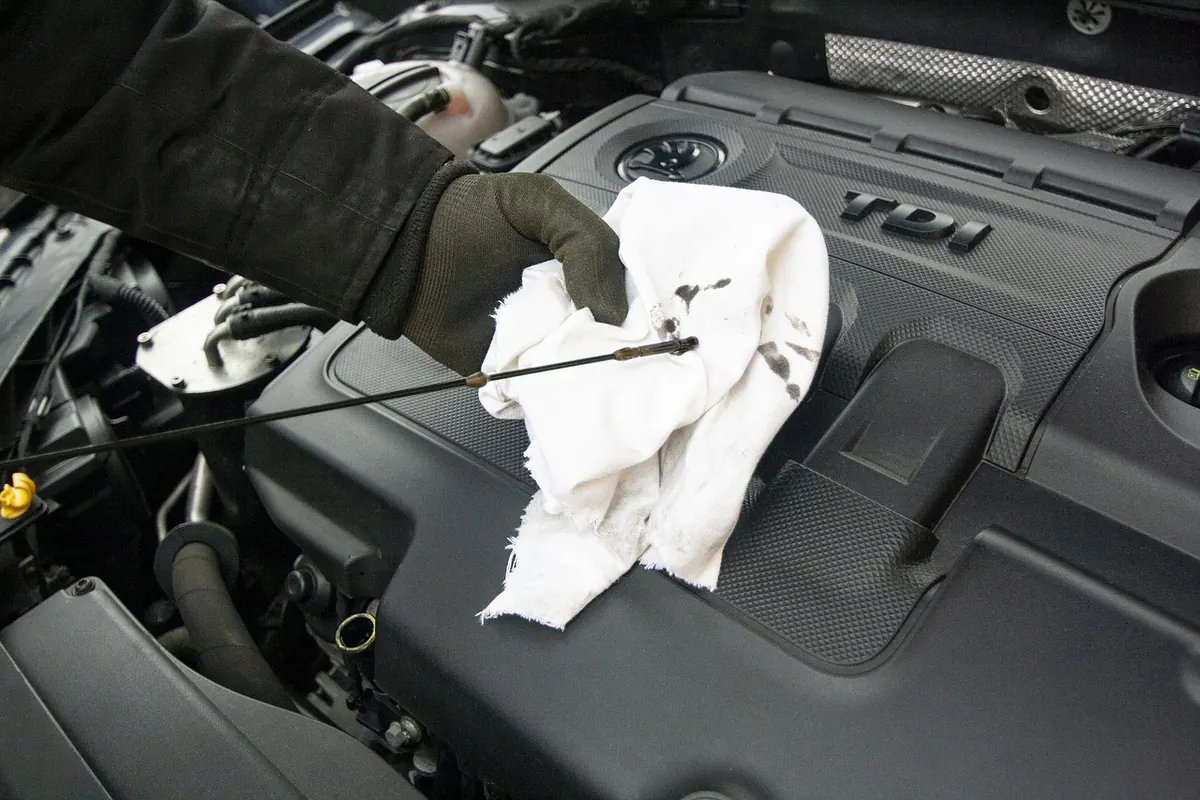
- Top up oil, coolant and brake fluid; fresh brake fluid is cheap insurance.
- Empty the car of everything loose, including the boot carpet and the phone mount.
- Fill the tank before you arrive; fuel on site is expensive and queued for.
- Bring a torque wrench, a tyre pressure gauge, water and a folding chair.
- Book instruction if the organiser offers it — an hour with a coach teaches more than a whole day of guessing.
One warning worth taking seriously: your ordinary road policy almost certainly excludes track use. Specialist track-day cover exists, so read your policy or speak to a broker before you assume you're covered.
Sprints and hillclimbs: competition without a wheel-to-wheel fight
If you want to compete rather than just drive, speed events are the natural next step. A sprint runs on a circuit or airfield; a hillclimb goes up a hill. Both send one car at a time against the clock, and cars are divided into classes so a standard hatchback isn't up against a purpose-built single-seater.
You'll need the RS Clubman licence, applied for through Motorsport UK, plus club membership and an entry fee per event. A timing strut — a small vertical plate fixed to the front of the car — is required, and you'll need an approved helmet and suitable clothing. Beyond that, a well-maintained road car is genuinely competitive in the right class. Practice runs usually happen in the morning, timed runs in the afternoon, and the paddock atmosphere is famously friendly. Marshals are always needed, too, so offering to help at an event is a quick way to learn how the day runs.
Club racing: the longer game
Racing is the deep end, and the route in is well established. You take an ARDS assessment at a licensed racing school — a course covering car control, overtaking, flags and etiquette — then upgrade your licence with Motorsport UK. Medical requirements and licence grades change from time to time, so check the current rules before you commit to a season.
Then comes the car, and this is where budgets run away. The cheapest sensible path is an established entry-level or one-make championship where dozens of cars already exist, rather than building something nobody else races. Buy a car with a logbook and a known history, or start with arrive-and-drive so you can try a race weekend before you own anything. Budget for tyres, fuel, entries, transport, storage and damage — and then add a healthy margin, because the last item is the one people forget. If the sums matter to you, treat it like any other large purchase and get proper financial advice before signing anything.
Clubs, marshals and where to find events
Everything above runs through clubs. Woolbridge Motor Club, based near Wareham, and Yeovil Car Club both organise events locally, and Motorsport UK's club finder lists affiliated clubs by area — a good starting point if you want something closer to home. Membership is inexpensive and gets you the regulations, the calendar and a paddock full of people who will happily tell you what you're doing wrong.
Try marshalling first
You don't need a car to get involved. Marshals are the reason events happen, training is available, and you'll learn flags, procedures and where accidents actually occur — knowledge that makes you a better driver later. Karting at Clay Pigeon near Dorchester is another inexpensive way to sharpen race craft, and many circuit racers started there.
Your first season, in order
- Join a local club and get on its mailing list.
- Enter an autotest or autosolo to see whether you enjoy the format.
- Apply for an RS Clubman licence and book a track day for the spring.
- Buy a helmet that meets current Motorsport UK standards, and check the rules on clothing.
- Read the event regulations properly — the answers are nearly always in there.
- Sort insurance, servicing and a realistic budget before the season starts.
Do those six things and you'll be on a start line this year, not next. Turn up, ask questions and be useful in the paddock; Dorset's motorsport community is small enough that a friendly face gets remembered.
Photo: herbert2512 / Pixabay